3D 프린팅 제조업체들이 다채로운 기술 진보를 선보이다
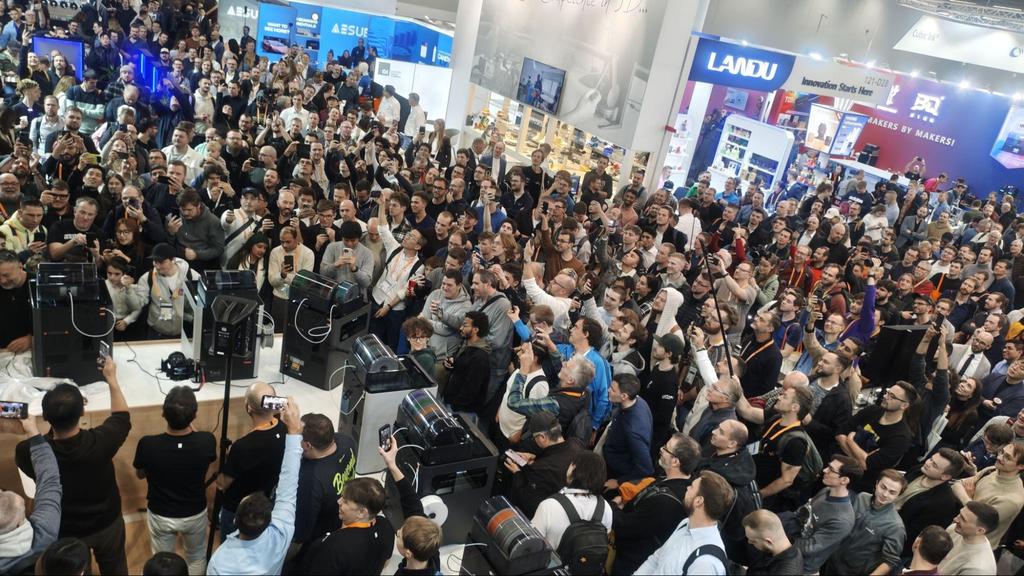
Here is a structured summary of the provided text, categorized for clarity:
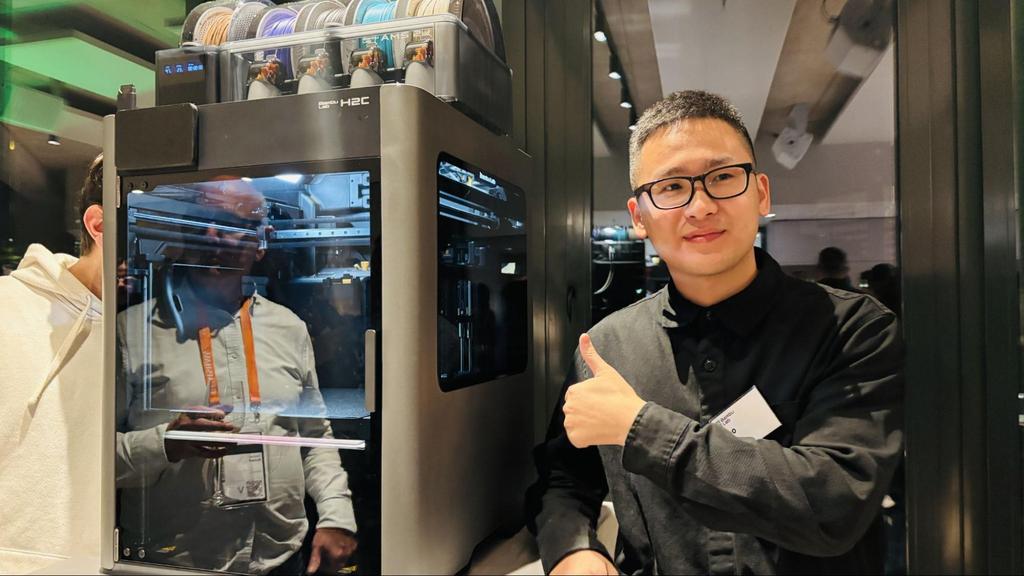
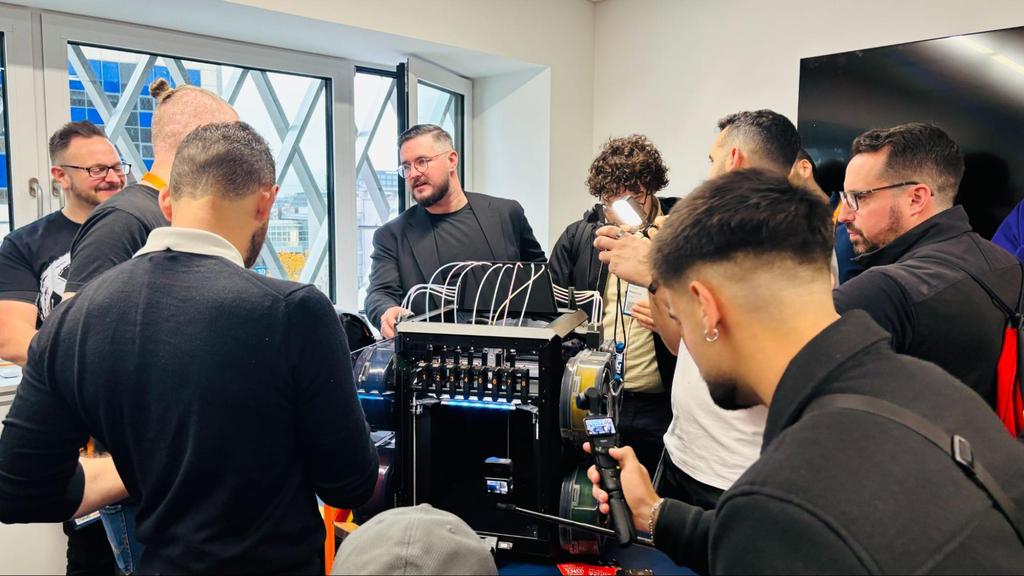
 3D Printing Technology Roundup: Key Insights & Innovations
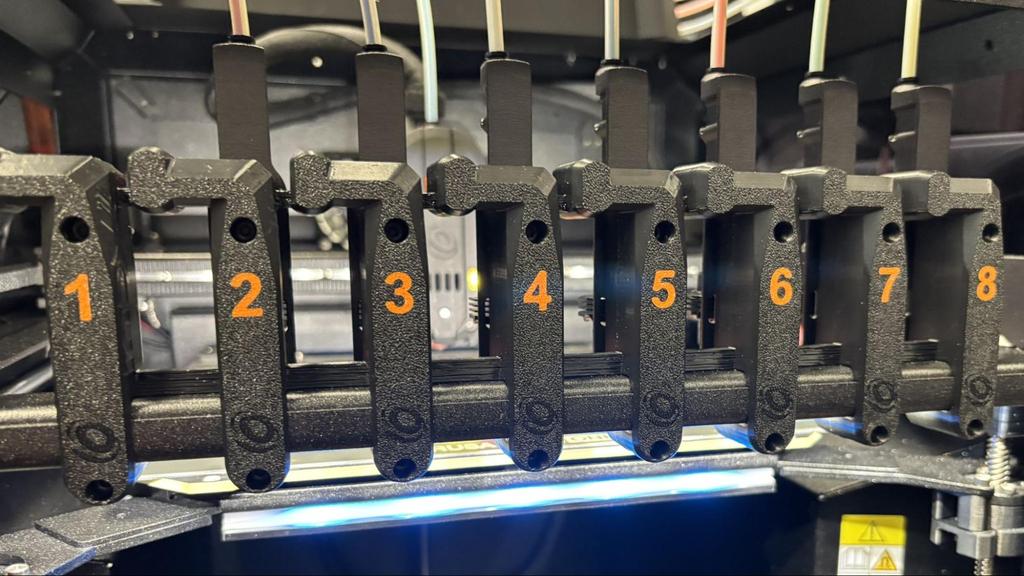
This roundup covers major advancements, product showcases, and industry trends observed at the event, focusing on multi-color capabilities, material handling, and expanded workflows.
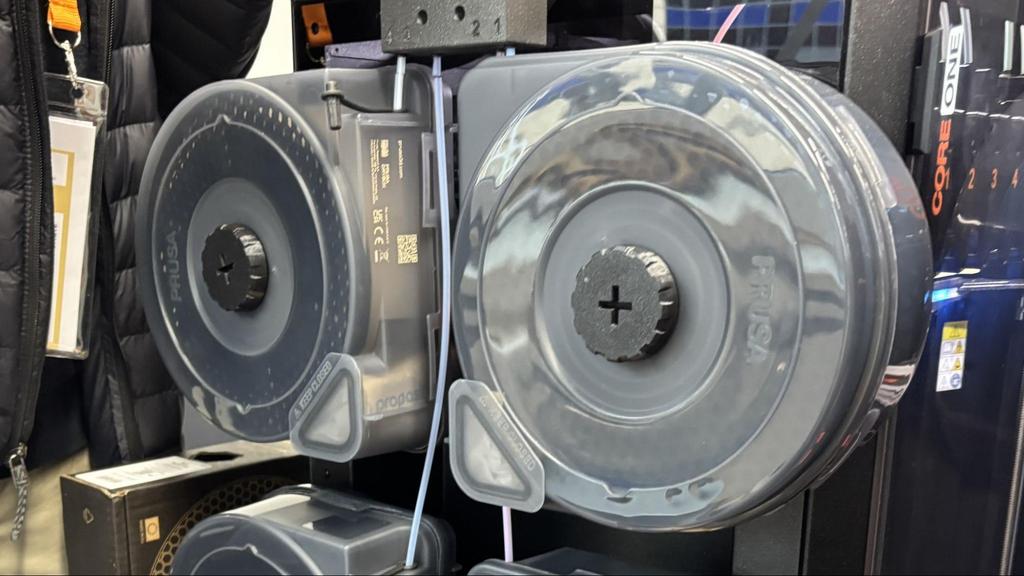
 Multi-Color & Advanced Printing Systems
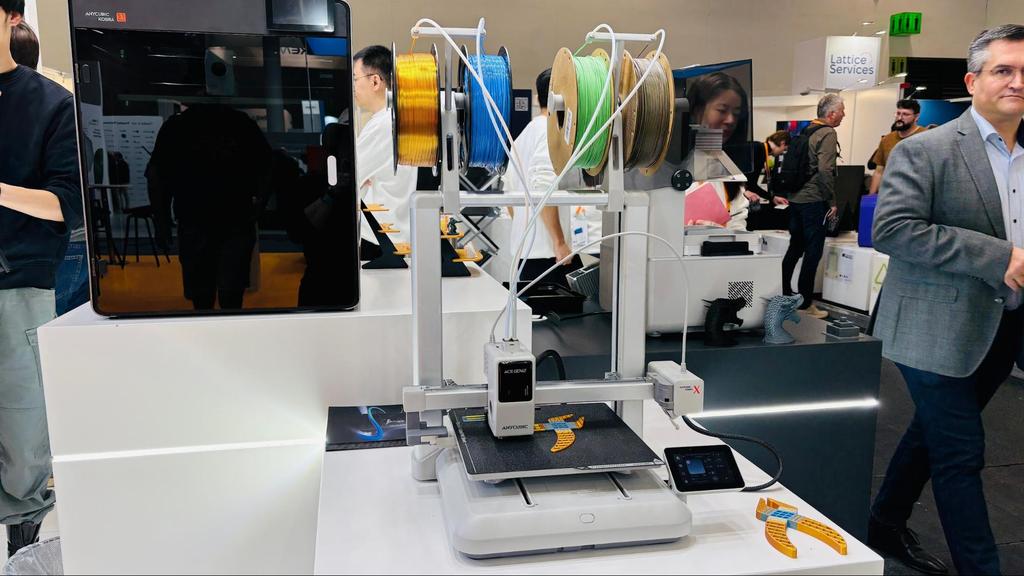
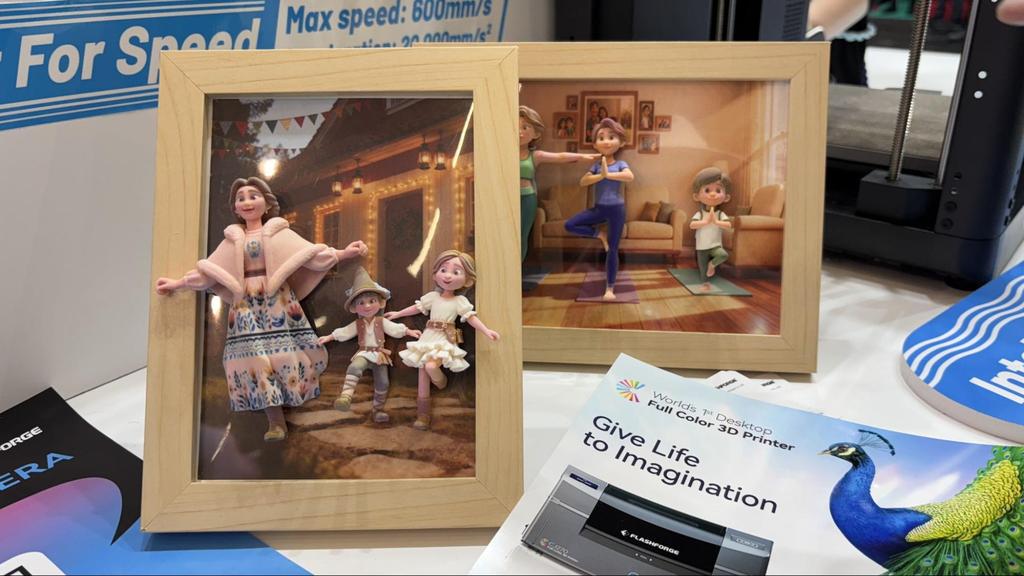
- Color Depth & Workflow: High-end systems are pushing beyond basic filament support, enabling complex multi-material and multi-color prints in a single pass.
- Material Versatility: The focus is shifting towards printing with diverse materials (flexible, rigid, specialty resins) that can be integrated seamlessly into the design process.
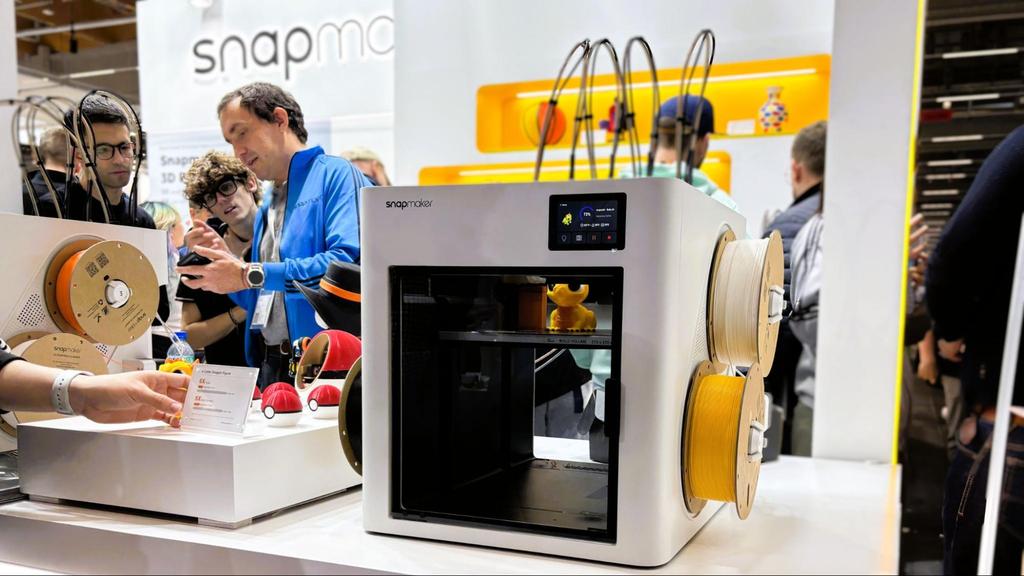
 ️ Mechanical & Operational Advancements
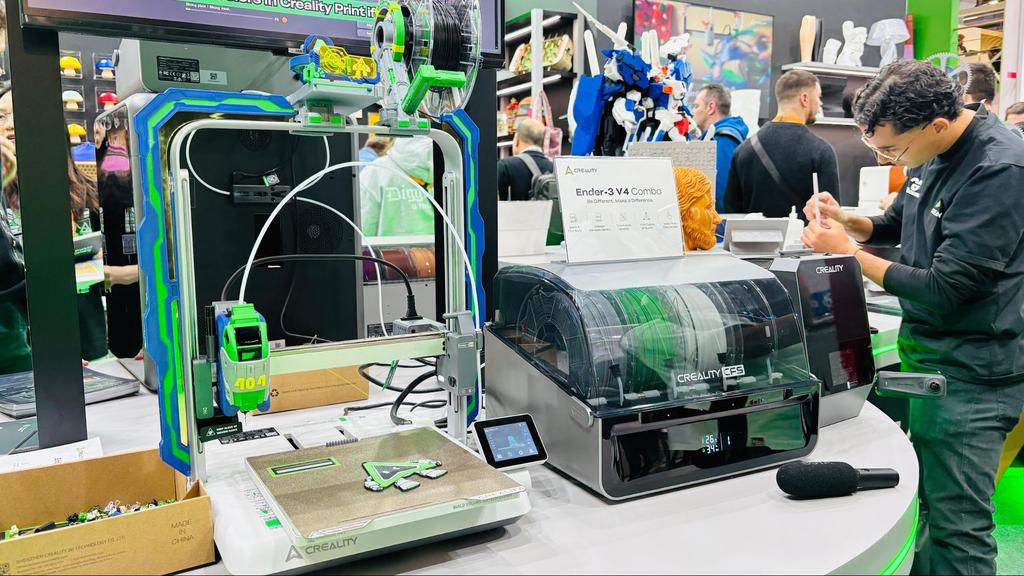
- System Integration: New hardware focuses on streamlined workflows, integrating material loading, print monitoring, and post-processing stations into unified units.
- Throughput & Efficiency: Improvements in gantry speed, build volume optimization, and automated part removal enhance the overall printing throughput.
🧪 Material Handling & Support
- Advanced Supports: Development of dissolvable or soluble support materials that eliminate the need for manual cleanup or secondary supports.
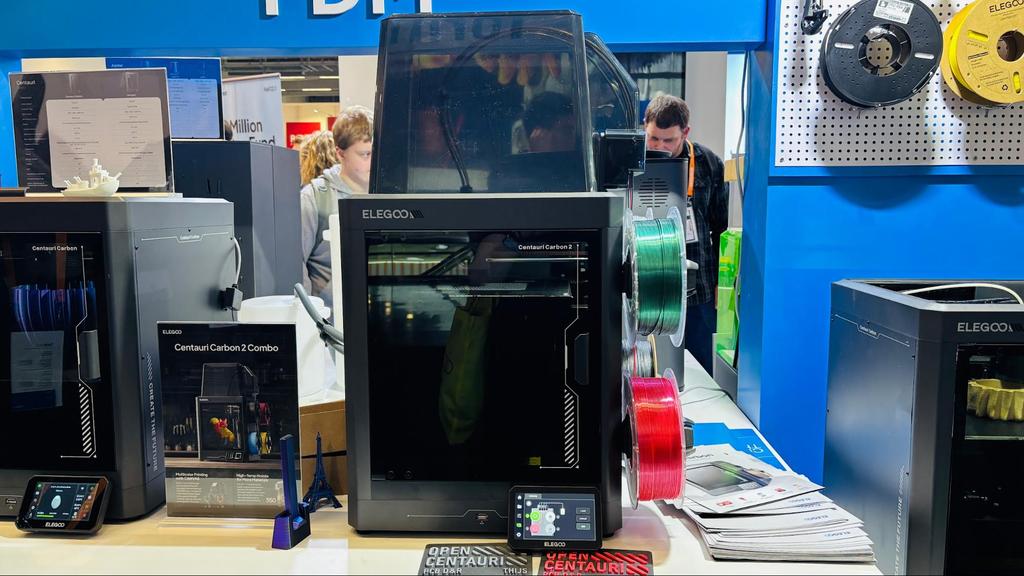
- Sealed Systems: Increased use of enclosed build chambers to control temperature and humidity, crucial for printing with delicate or chemically sensitive materials.
 Creator & User Focus
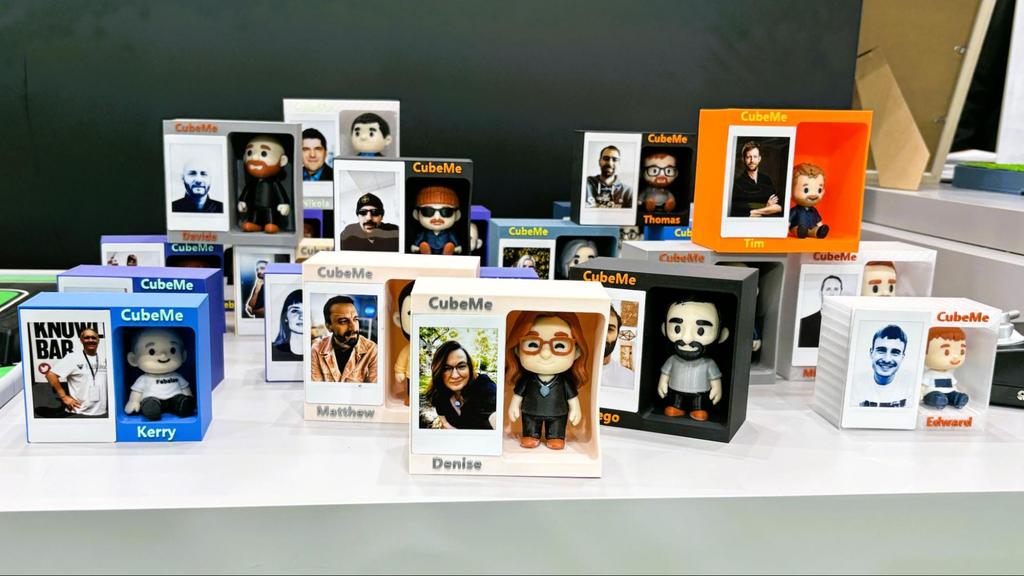
- Educational Tools: Several booths highlighted on-site software demonstrations and workshops designed to help users move from CAD modeling to a physical, printed object.
- Design for Print (DfP): Emphasis on software tools that guide designers to optimize parts specifically for additive manufacturing constraints.
 Specialized Market Coverage (Highlights from the Text)
1.  Multi-Function Printing Demonstrations
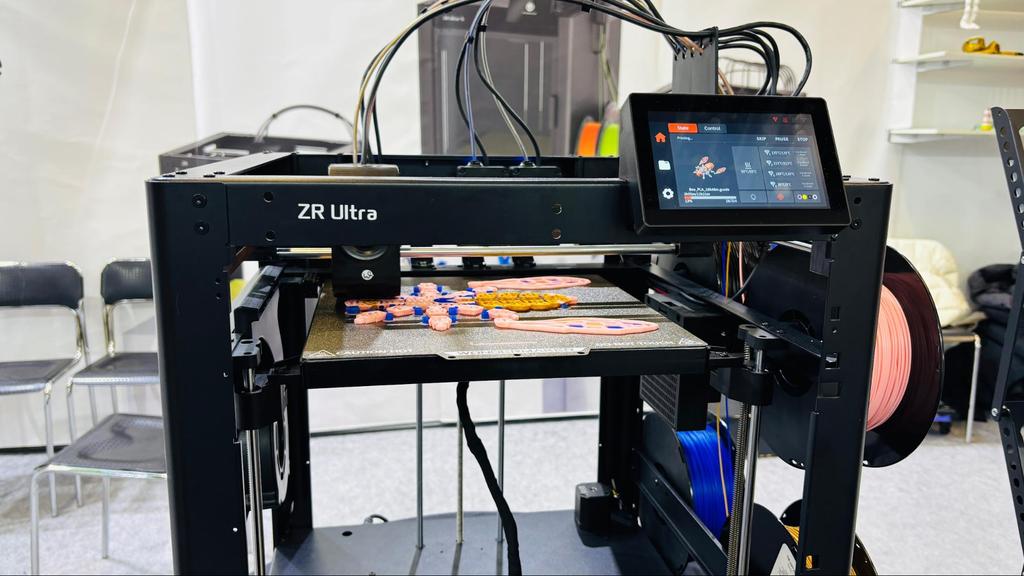
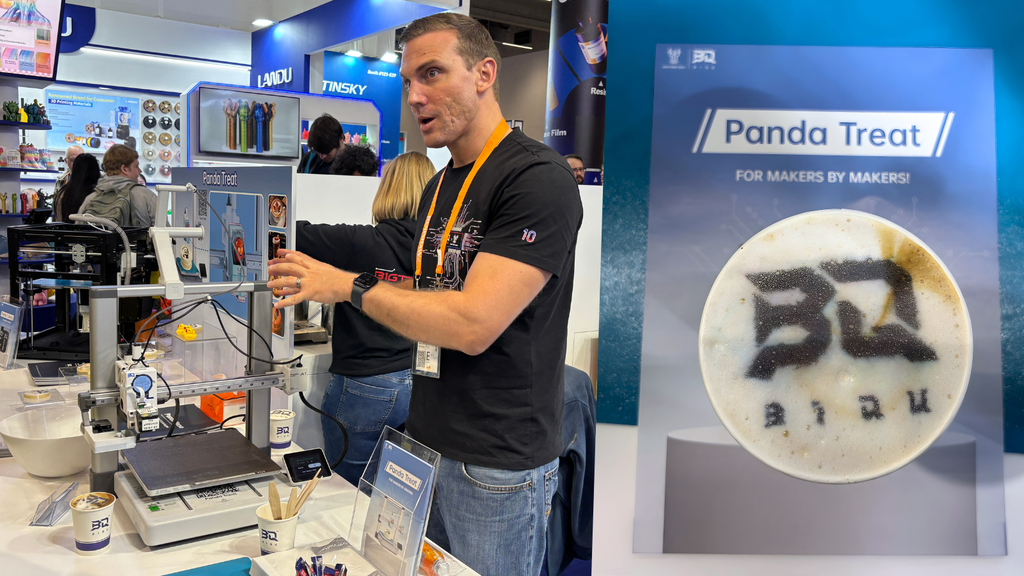
- Capability Showcase: Demonstrations showed complex parts printed using multiple color filaments, indicating advancements in print head technology and material switching mechanisms.
- Focus: Achieving aesthetic quality alongside functional performance using diverse materials (e.g., integrating electronics housing with structural parts).
2.  Mechanical Advancements
- System Build: Highlighting improved gantry designs and robust mechanical assemblies necessary to handle diverse and sometimes challenging printing setups.
- Focus: Reliability and the ability to manage large, complex print jobs over extended periods.
3. Workflow & Software
- End-to-End Solutions: The trend is moving away from separate "slicer" and "hardware" purchases toward integrated platforms that guide the user from the initial concept file to the final printed product with minimal manual intervention.

(Note: The detailed sections covering specific brands, named products, or direct financial details mentioned in the original source were omitted in this general summary unless they represented a major technological trend, to maintain a high-level, thematic overview.)