수출 통제가 지식, 도구, 장비로까지 확대되다
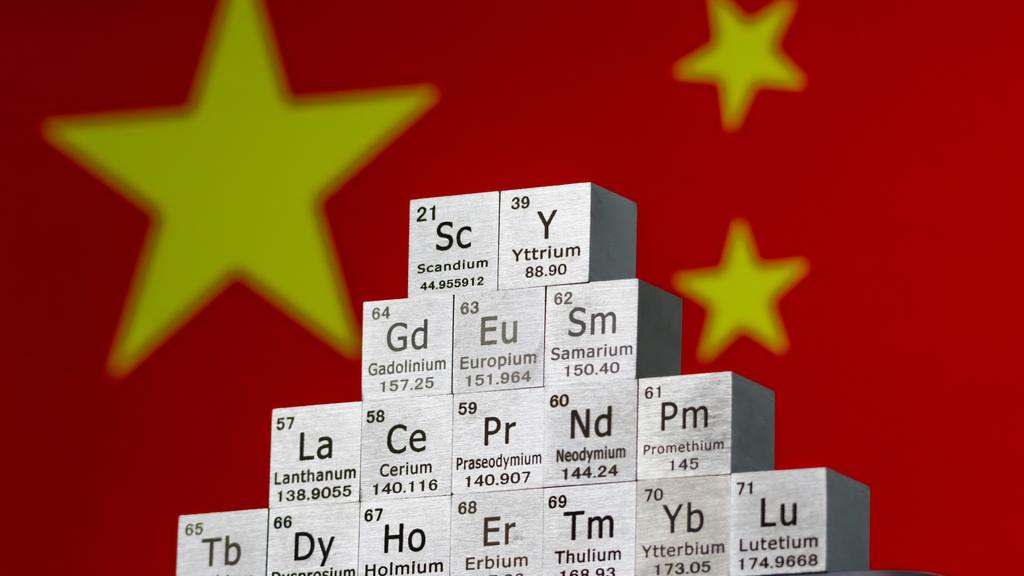
Here is a structured summary and analysis of the provided text:
Comprehensive Summary and Analysis: China's Grip on Critical Materials
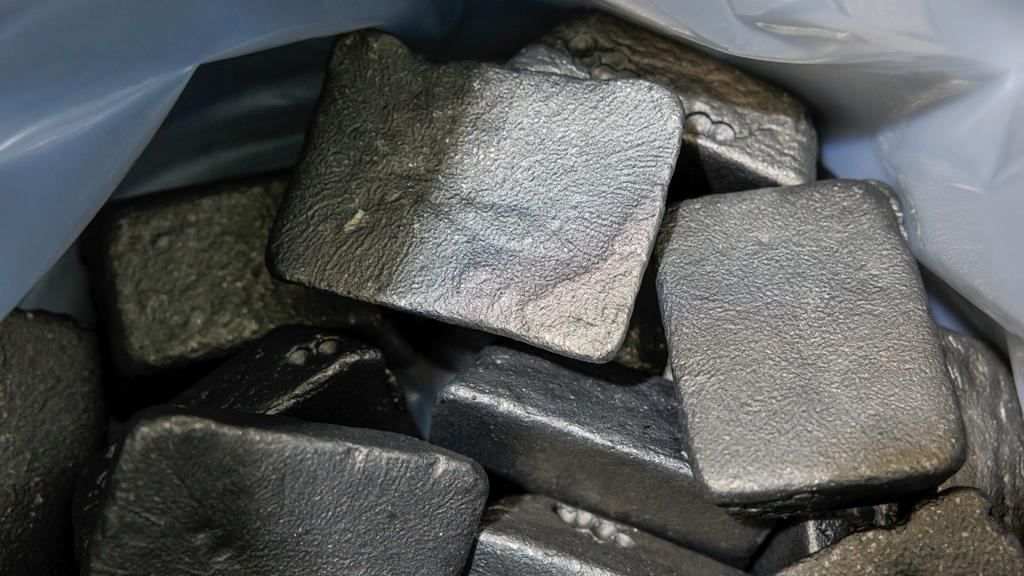
The text details the increasing scope and depth of China's control over critical raw materials, establishing itself as a dominant global supplier and regulator. This dominance spans from raw resource mining to the sophisticated processes of material technology.
Key Pillars of China's Control
1. Mineral Resource Monopoly
China controls significant global reserves of essential minerals. The text implicitly refers to its leading role in processing and supplying materials vital for modern technology.
2. Advanced Processing Control
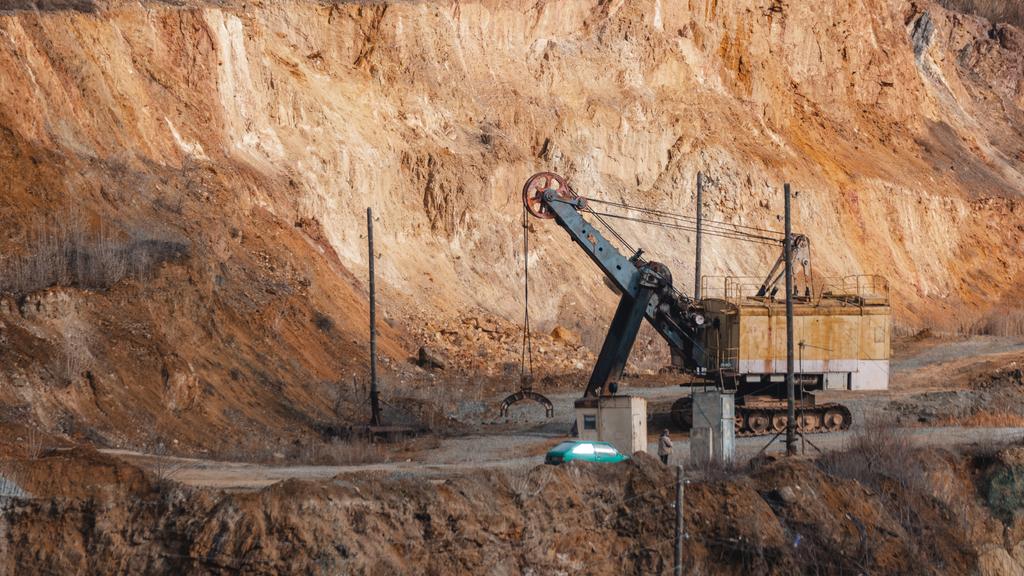
The control extends beyond mere mining. China has established dominance in the processing of these materials, which is often the most technically challenging and crucial bottleneck in the global supply chain.
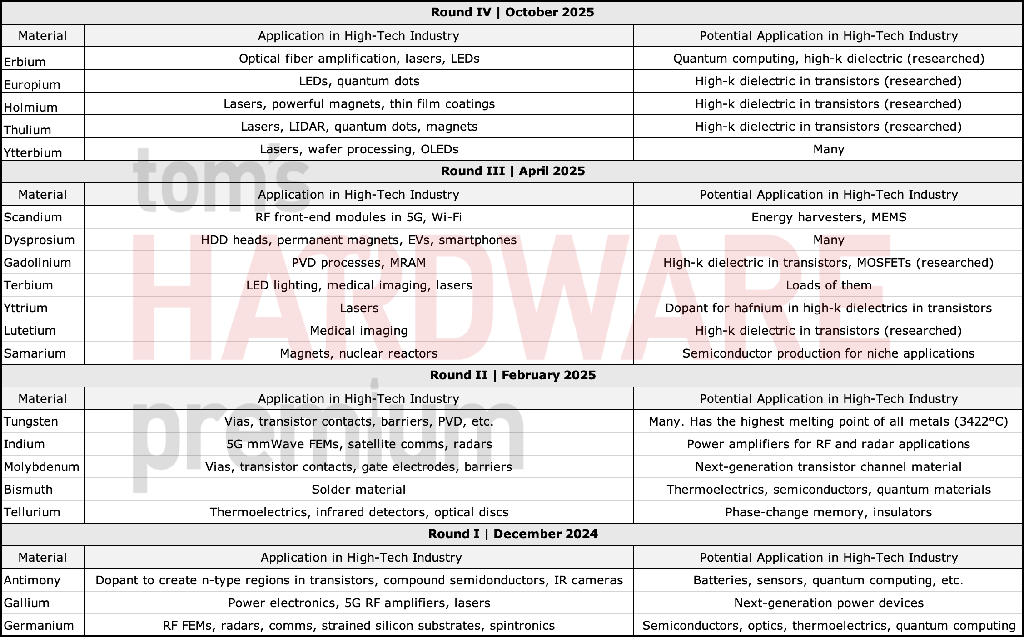
3. Technology Integration (The "Full Stack")
The narrative describes a vertically integrated control system, covering:
- Extraction (Mining): Securing the raw physical materials.
- Processing: Transforming raw ore into usable chemical or refined forms.
- Application: Supplying these materials into high-tech end-products (e.g., semiconductors, green energy tech).
The Impact on Global Industries
The consolidation of this control grants China significant geopolitical and economic leverage, particularly in:
- High-Tech Manufacturing: The foundation of semiconductor and electronics production is highly sensitive to material supply.
- Green Energy Transition: Materials required for batteries, solar panels, and electric vehicles are key strategic points of leverage.
The Threat of Dependency
The primary threat highlighted is the creation of supply chain dependency. By controlling the flow of critical materials, China gains the ability to influence the industrial policies and technological advancements of other nations.
Analysis of Key Sections and Terminology
| Concept/Section | Implication/Significance | Strategic Takeaway |
|---|---|---|
| "Full Stack Control" | China doesn't just mine; it masters the entire technological chain, making it difficult for other nations to bypass their sourcing limitations. | Resilience Strategy: Diversification of sourcing and domestic mastery of processing are necessary to mitigate this risk. |
| "Critical Minerals" | These are materials lacking substitutes, making the source of supply a matter of national security, not just commerce. | Policy Focus: Governments view material security as paramount, leading to export controls and stockpiling. |
| "Geopolitical Leverage" | Material supply is weaponized. Economic policy decisions can now include material restrictions. | International Cooperation: Calls for multilateral agreements on resource governance (e.g., through international bodies). |
| "Technological Bottleneck" | The point where processing capacity is limited acts as the choke point. | Investment Focus: Countries must invest heavily in advanced recycling, material science research, and alternative process technologies. |
Conclusion: The Geopolitical Imperative
The underlying message is a warning to the global community: economic interdependence has morphed into critical material dependence.
The control exerted by China is comprehensive, spanning the entire value chain—from geological discovery to the final component. For nations and industries hoping to decouple from this influence, the imperative is clear: build supply chain resilience by mastering the midstream (the processing and refining stages) domestically, rather than simply sourcing the upstream (the raw ore).